When to Step Up
Consider this class when larger appliances, tools or multiple simultaneous loads exceed the sustained capability of lower-output stations. Check startup surge separately.
 WattSift
2000W Power Class Guide
This guide covers stations rated for 2,000–2,999 W of continuous AC output, focusing on higher-demand loads, startup headroom and the trade-off between capacity and portability.
Consider this class when larger appliances, tools or multiple simultaneous loads exceed the sustained capability of lower-output stations. Check startup surge separately.
Continuous output determines whether a load can run, while battery capacity affects duration. For longer backup use, check compatible expansion batteries and recharging options.
Buying recommendations
8 products
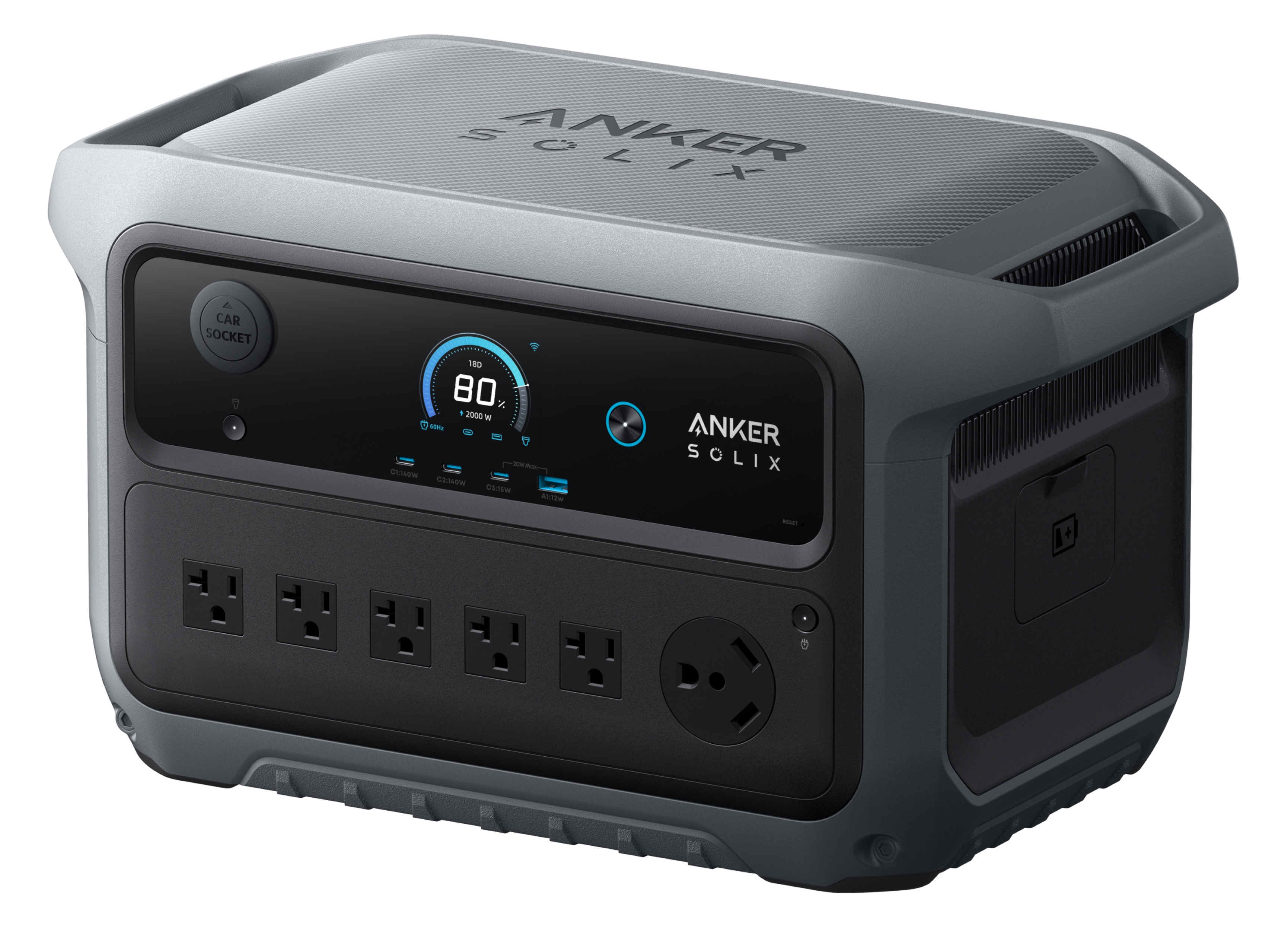
Why choose it It pairs a practical 2,048 Wh / 2,400 W base with expansion to 5,120 Wh and up to 800 W solar input, so you can start at 2 kWh without being locked there.
Watch out for Expansion tops out at 5,120 Wh, so buyers planning a much larger battery bank may want more expansion headroom.
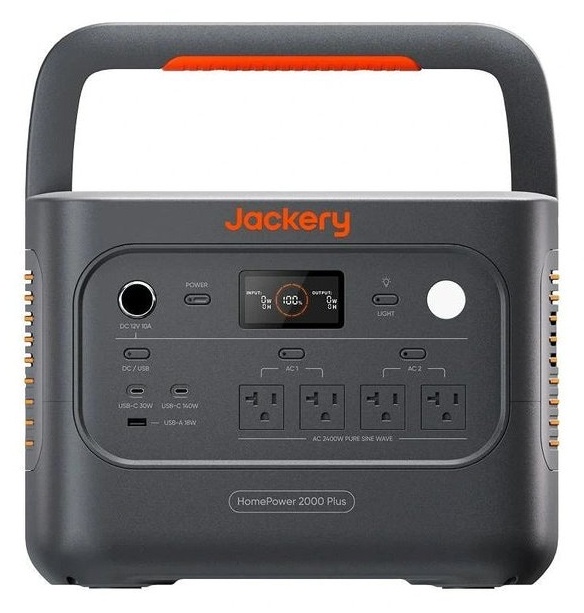
Why choose it A 2,048 Wh / 2,400 W base keeps the starting system straightforward, while documented expansion to 12,288 Wh and up to 800 W solar input leave plenty of room for longer backup needs.
Watch out for At 41.45 lb, it is not a lightweight carry unit.
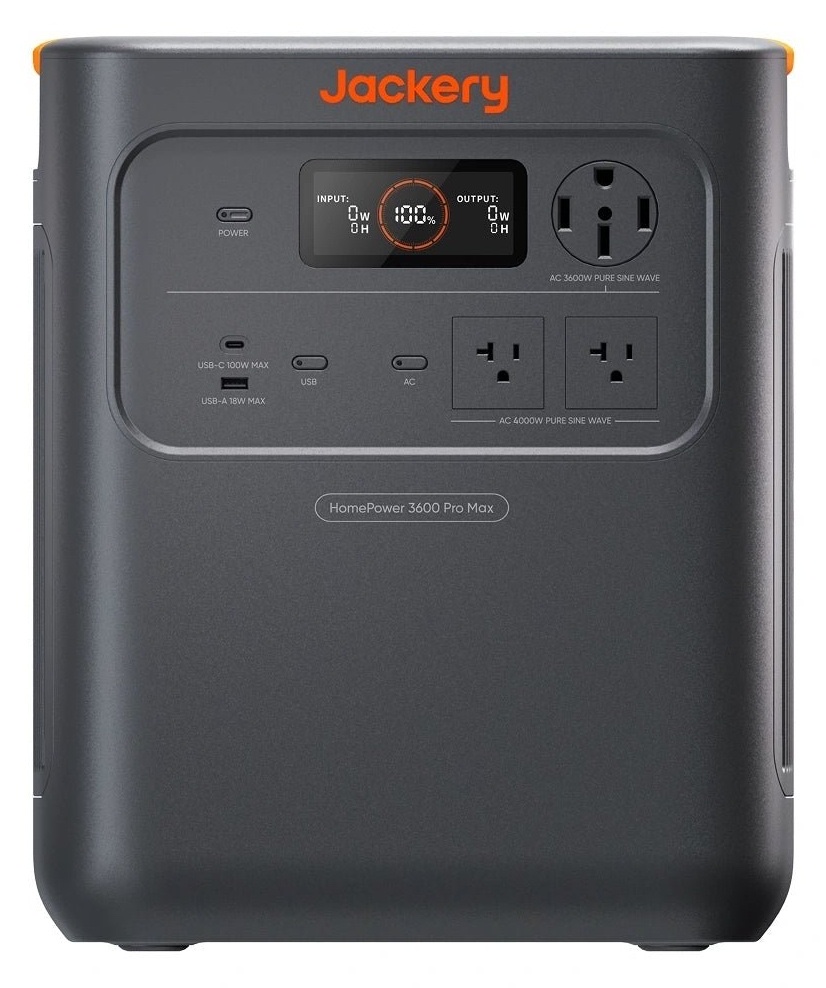
Why choose it You start with 3,584 Wh and can expand to 21.5 kWh, while up to 1,200 W solar input gives this 2,000 W unit substantial energy-side headroom for longer backup.
Watch out for At 73.85 lb and 2,000 W continuous output, it favors capacity and expansion over portability or higher output within this class.
Why choose it 2,048 Wh / 2,400 W documented to expand to 12,288 Wh - the largest growth path inside this output class.
Watch out for 62.4 lb and surge headroom depends on configuration; TT-30 is present but 240 V is not documented.
Why choose it 2,600 W continuous and 2,073.6 Wh - more power headroom than the 2,200 W peers.
Watch out for Both weight and surge output are undocumented for this unit - portability and motor-start claims cannot be verified.
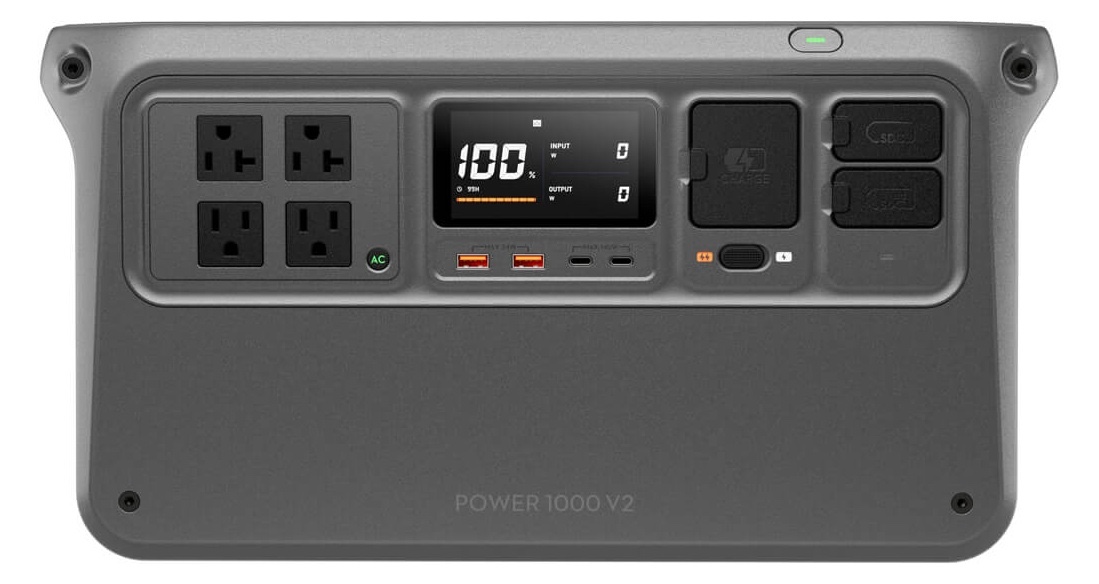
Why choose it It delivers 2,600 W continuous output from a 31.3 lb, 1,024 Wh base unit, while documented expansion reaches 11,264 Wh when more capacity is needed.
Watch out for The 1,024 Wh base battery is modest for a 2,600 W unit, so longer-runtime use depends more on expansion.
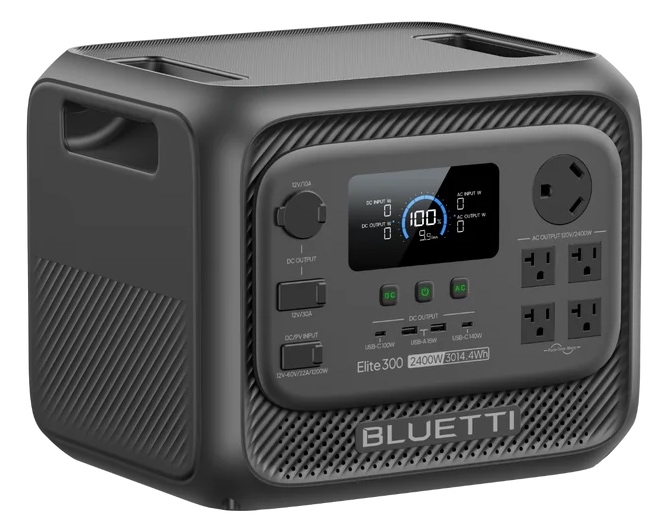
Why choose it Its 3,014.4 Wh base capacity gives you more energy on board without relying on an expansion battery, backed by 2,400 W continuous output and up to 1,200 W solar input.
Watch out for At about 57.98 lb, it is better suited to stationary or vehicle-based use than frequent carrying.
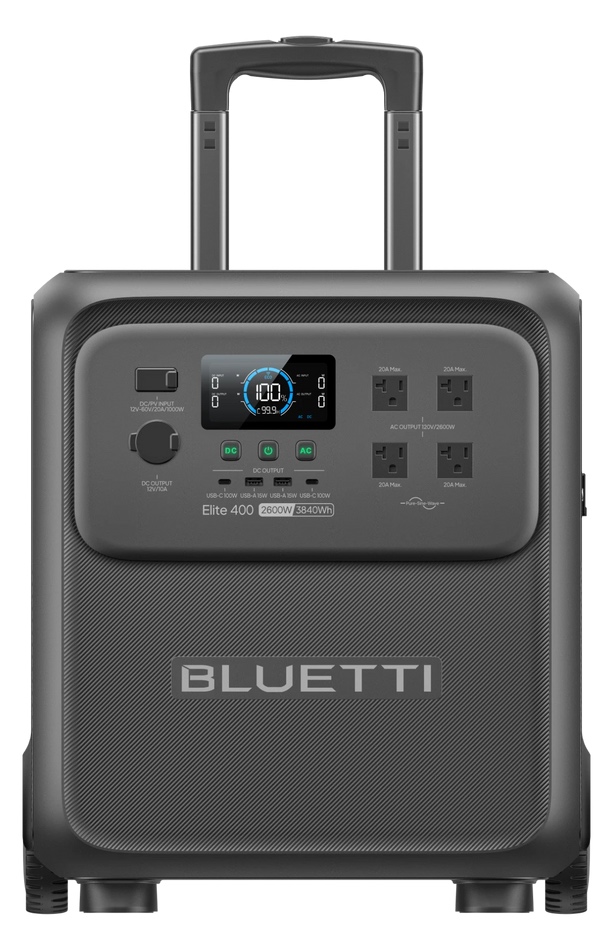
Why choose it A 3,840 Wh base and 2,600 W continuous output put substantial energy and power in one unit, with up to 1,000 W solar input for larger recharge setups.
Watch out for At about 85.98 lb, it is a stationary-first unit; expandability is not clear enough in first-party sources to count on.
| Product | Continuous output | Surge output | Solar input | Expandability | Current price |
|---|---|---|---|---|---|
| Anker SOLIX C2000 Gen 2 | 2,400 W | 4,000 W | 800 W | Expandable to 5,120 Wh | $1,499.00 |
| Jackery HomePower 2000 Plus v2 | 2,400 W | 4,800 W | 800 W | Expandable to 12,288 Wh | $1,199.00 |
| Jackery HomePower 3600 Pro Max | 2,000 W | 4,000 W | 1,200 W | Expandable to 21,500 Wh | $2,999.00 |
| BLUETTI AC200L | 2,400 W | 4,800 W | 1,200 W | Expandable to 12,288 Wh | $899.00 |
| BLUETTI Elite 200 V2 | 2,600 WWinner | Not documented | 1,000 W | Base only | $899.00 |
| DJI Power 1000 V2 | 2,600 WWinner | Not documented | 1,800 WWinner | Expandable to 11,264 Wh | $469.99Winner |
| BLUETTI Elite 300 | 2,400 W | Not documented | 1,200 W | Not documented | $1,199.00 |
| BLUETTI Elite 400 | 2,600 WWinner | 5,200 W | 1,000 W | Not documented | $1,449.00 |
Select 2 or 3 products manually.
0 of 3 selected
Choose products to compare.