Check RV Connections
Some models provide a native TT-30 outlet for a compatible 30 A RV inlet. Others may require additional connection hardware and should not be treated as offering native RV support.
 WattSift
RV Buying Guide
For RV use, check the connection options and appliance loads first. Then compare continuous output, startup surge and recharging capability. A larger battery does not automatically mean direct RV compatibility.
Some models provide a native TT-30 outlet for a compatible 30 A RV inlet. Others may require additional connection hardware and should not be treated as offering native RV support.
Air conditioners, pumps and compressors may draw substantially more power at startup than during normal operation. Check documented surge capability alongside continuous output.
Buying recommendations
8 products

Why choose it The only unit here documented on all four RV-critical dimensions at once: native TT-30 outlet, single-unit 240 V split-phase, 4,000 W continuous and 4,096 Wh.
Watch out for 113.54 lb - it is installed in the RV rather than moved around camp.
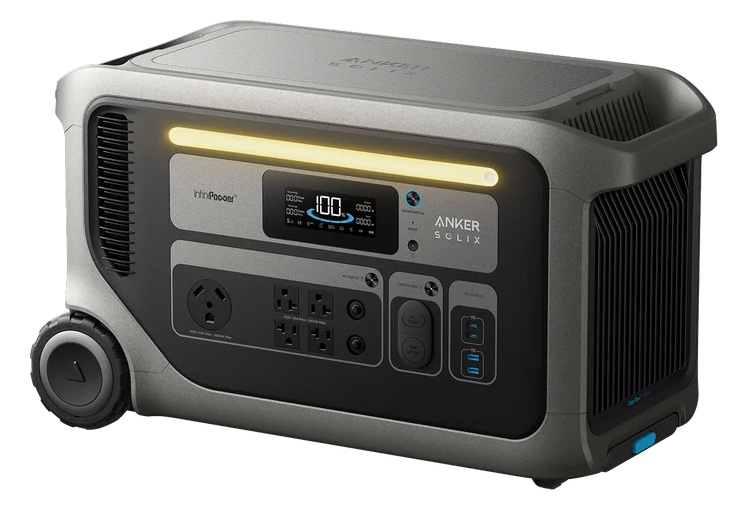
Why choose it Its 3,600W continuous and verified 7,200W surge output give it substantial load headroom, while 2,400W solar input supports faster off-grid replenishment.
Watch out for At 91.5 lb, it is better suited to semi-fixed RV use than frequent carrying.
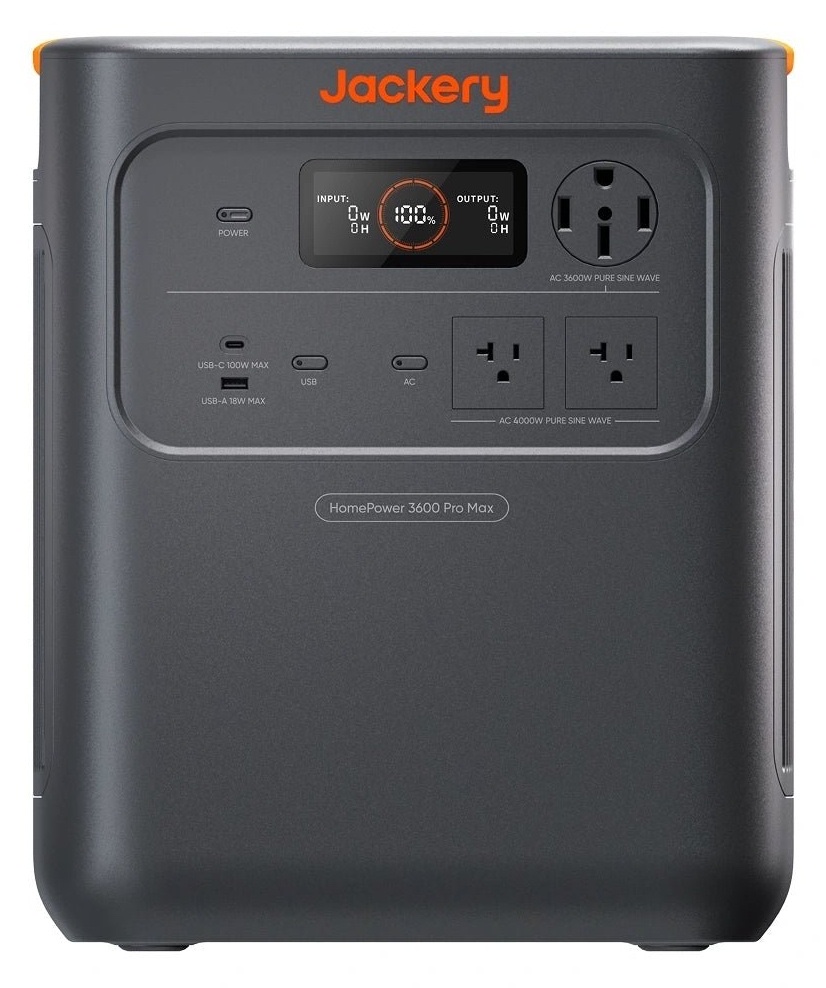
Why choose it Its 3,584Wh starting capacity and roughly 21.5kWh expansion ceiling favor longer stays where stored energy matters more than maximum appliance output.
Watch out for Its 2,000W continuous output leaves less appliance-power headroom than higher-output RV options.

Why choose it 7,200 W continuous with 1,200 W solar input and documented expansion to 30,240 Wh.
Watch out for 134.5 lb and no documented native TT-30 or 240 V - a connection-accessory path must be verified before relying on it.
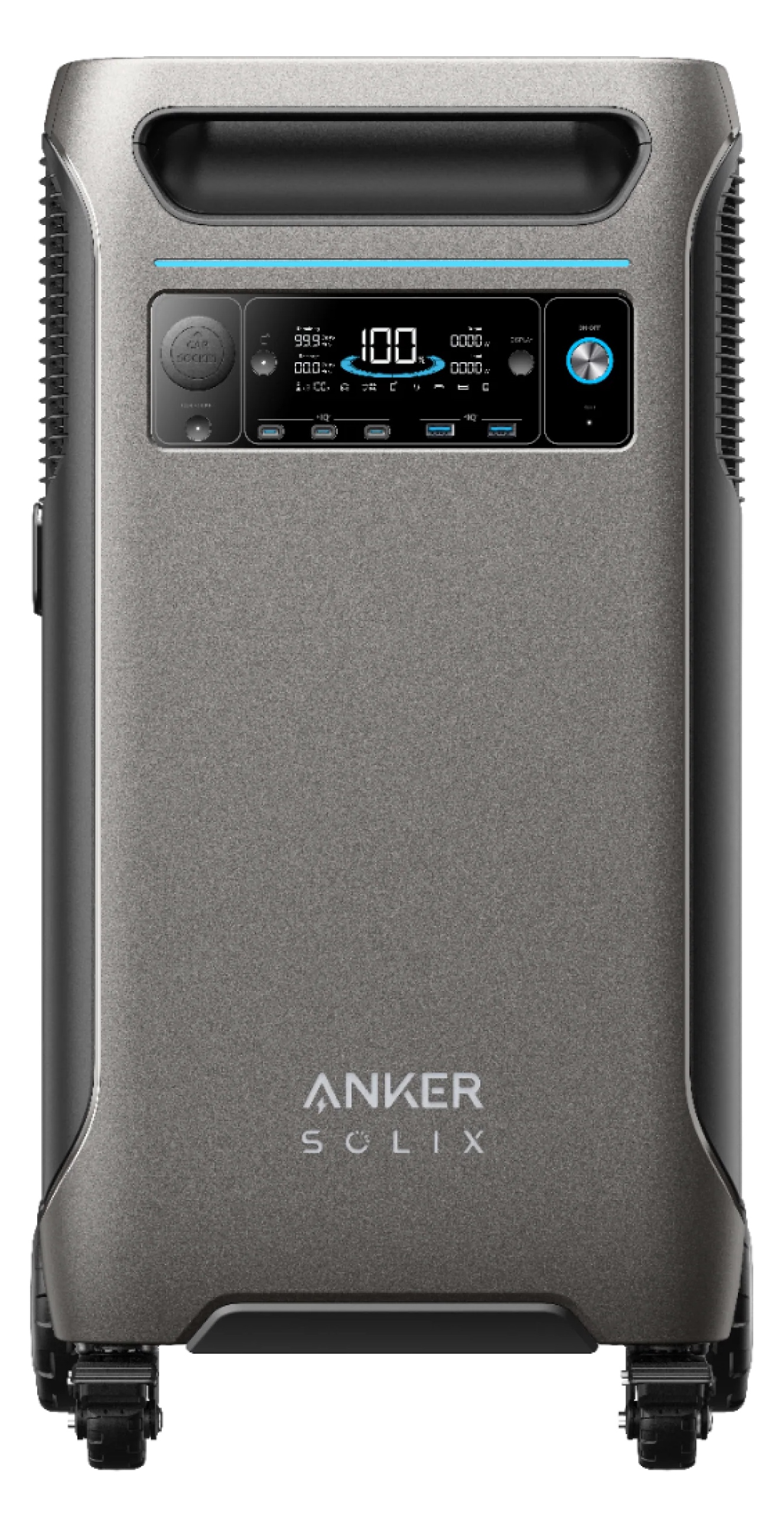
Why choose it Documented single-unit 240 V split-phase output with 6,000 W continuous and expansion to 26,880 Wh.
Watch out for Native TT-30 is not documented - connecting to a 30 A inlet may need an adapter or accessory; 132.3 lb.
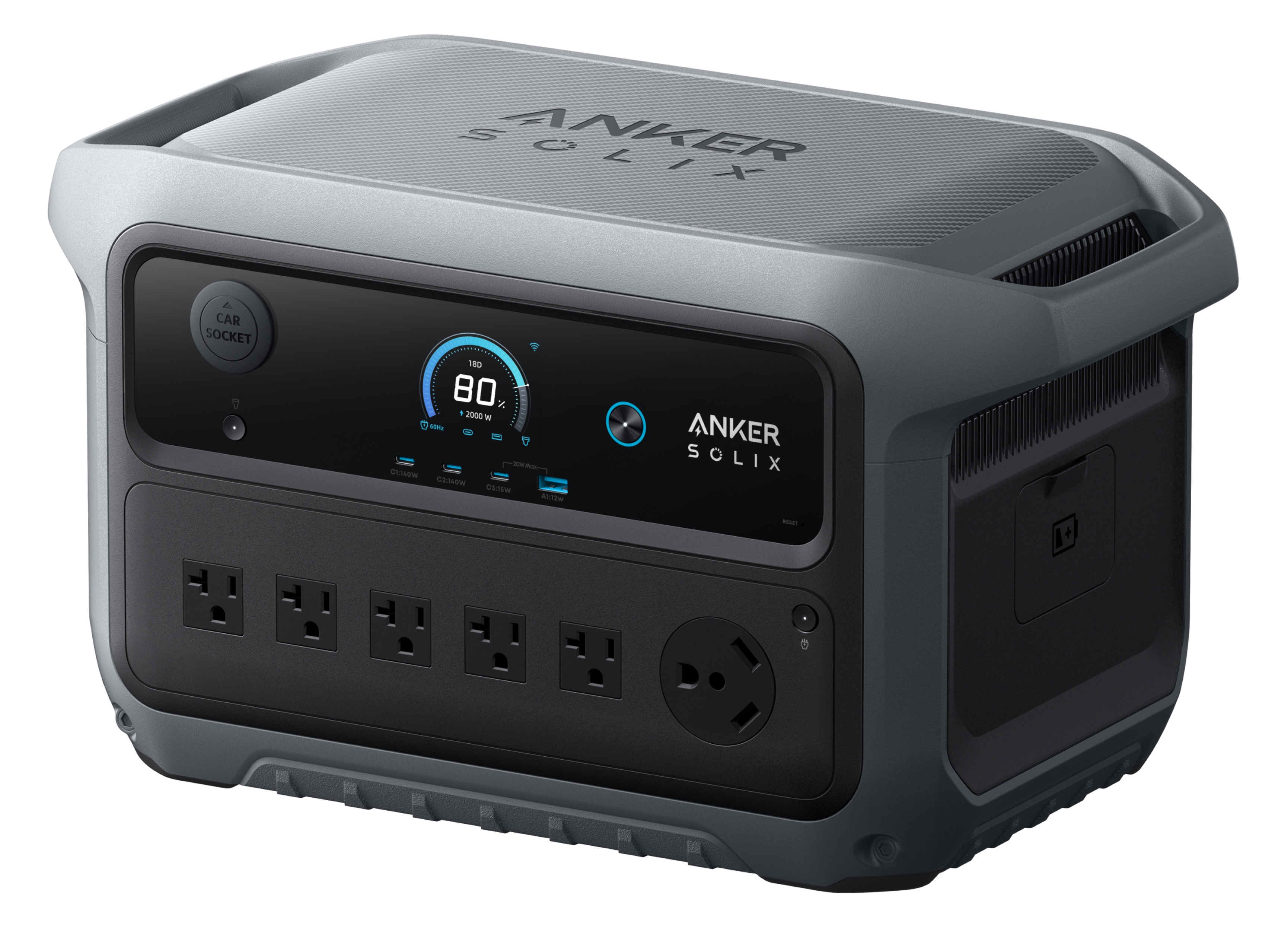
Why choose it At 41.7 lb, it is dramatically easier to handle than the large RV-oriented systems while still offering 2,048Wh, 2,400W output and expansion to 5,120Wh.
Watch out for Expansion tops out at 5,120Wh, so it has less long-stay capacity headroom than deeper expandable choices.

Why choose it Native TT-30 outlet plus documented expansion from 2,048 Wh to 12,288 Wh at 2,400 W continuous.
Watch out for 62.4 lb; native TT-30 helps, but 240 V split-phase is not documented on this unit.
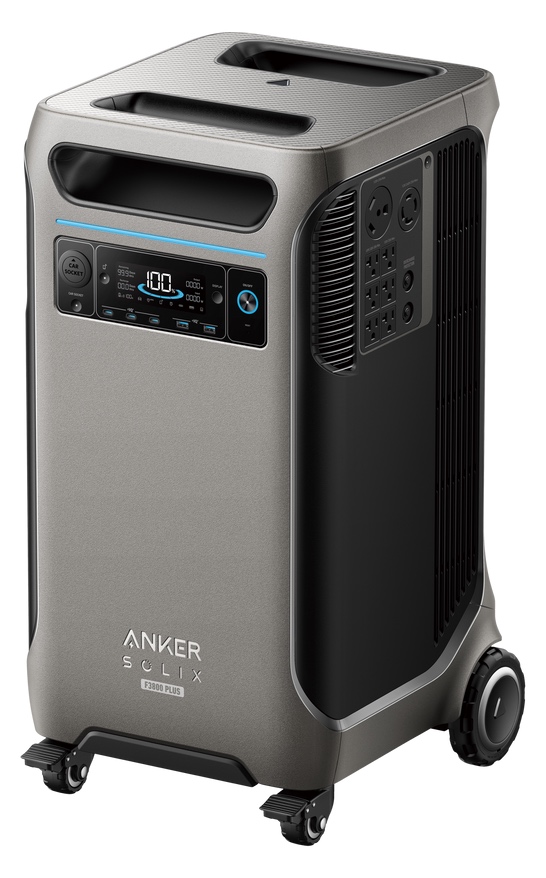
Why choose it With 6,000W continuous output, 3,200W solar input and expansion to 26,900Wh, it offers substantial power, recharge and growth headroom for demanding RV setups.
Watch out for The 135.6 lb weight is a serious installation and mobility tradeoff, and a verified surge rating is not currently available.
| Product | Continuous output | Surge output | Expandability | TT-30 connection | 240 V output | Current price |
|---|---|---|---|---|---|---|
| EcoFlow DELTA Pro 3 | 4,000 W | 8,000 W | Expandable to 12,288 Wh | Native | Single-base split-phase | $3,252.00 |
| Anker SOLIX F3000 | 3,600 W | 7,200 W | Expandable to 12,288 Wh | Native | Not documented | $1,699.00 |
| Jackery HomePower 3600 Pro Max | 2,000 W | 4,000 W | Expandable to 21,500 Wh | Not documented | Single-base split-phase | $2,999.00 |
| Jackery Explorer 5000 Plus | 7,200 WWinner | 14,400 W | Expandable to 30,240 Wh | Not documented | Single-base split-phase | $3,499.00 |
| Anker SOLIX F3800 | 6,000 W | 9,000 W | Expandable to 26,880 Wh | Not documented | Single-base split-phase | $2,199.99 |
| Anker SOLIX C2000 Gen 2 | 2,400 W | 4,000 W | Expandable to 5,120 Wh | Native | Not documented | $1,499.00 |
| BLUETTI AC200L | 2,400 W | 4,800 W | Expandable to 12,288 Wh | Native | Not documented | $899.00Winner |
| Anker SOLIX F3800 Plus | 6,000 W | Not documented | Expandable to 26,900 Wh | Native | Single-base split-phase | $2,599.99 |
Select 2 or 3 products manually.
0 of 3 selected
Choose products to compare.